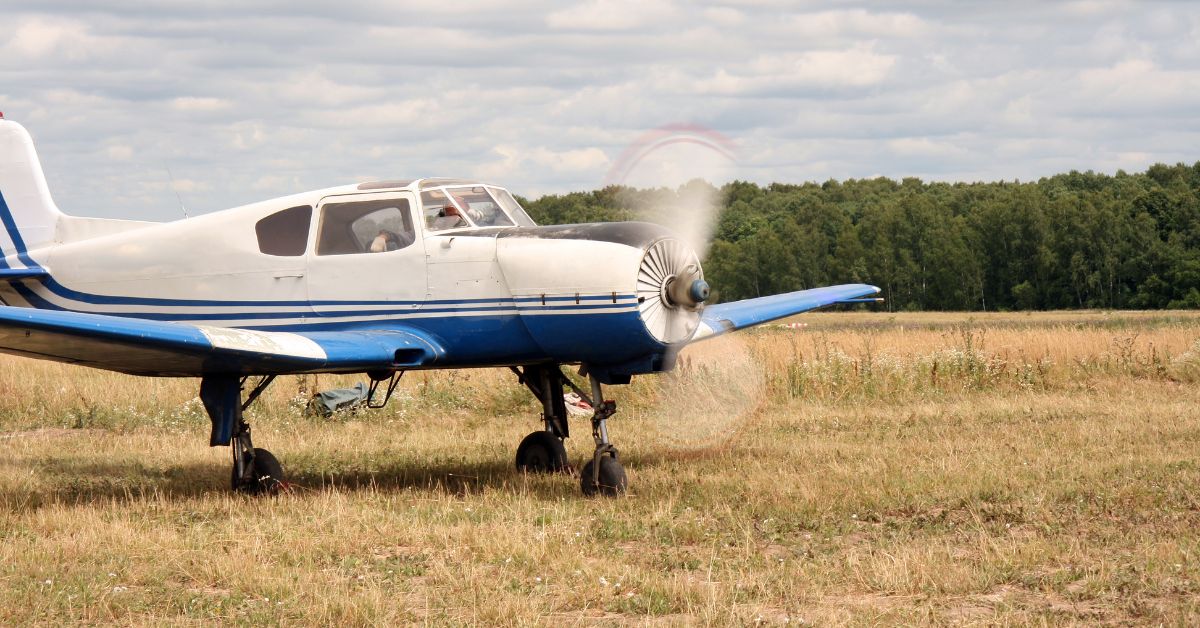

Recent reports out of Ruidoso, New Mexico indicate that a medical transport plane crash claimed the lives of all four individuals on board during an early morning flight in the Capitan Mountain area.
According to the Federal Aviation Administration, the aircraft—a Beechcraft King Air 90—departed from Roswell Air Center and was en route to Sierra Blanca Regional Airport when it crashed around 4:00 a.m. local time. Local officials confirmed that all occupants were pronounced deceased at the scene.
The aircraft was operated by Trans Aero MedEvac, which stated that four members of its team were on board. Emergency responders, including fire crews and law enforcement, located the crash site in a remote, wooded area where a post-impact fire had ignited.
The National Transportation Safety Board and FAA have both launched investigations. At this stage, the cause of the crash remains unknown.
When Aviation Systems Fail, the Consequences Are Immediate
Aircraft accidents, particularly those involving smaller, privately operated or medical transport aircraft—rarely result from a single isolated issue. Instead, they often involve a chain of failures across operational, mechanical, and human systems.
Medical flights frequently operate under demanding conditions:
- Early morning or nighttime flight schedules
- Remote or mountainous terrain
- Time-sensitive transport pressures
- Variable weather and visibility
When any part of this system breaks down—whether through mechanical failure, pilot error, or operational oversight—the margin for recovery is minimal.
A Pattern Seen Across Aviation Accident Investigations
While each aviation accident presents unique facts, the broader investigative pattern is consistent. These incidents often trace back to preventable risks that went unaddressed.
Common contributing factors in aviation crashes include:
- Mechanical or component failure due to inadequate maintenance
- Pilot decision-making errors during critical phases of flight
- Controlled Flight Into Terrain (CFIT), particularly in low-visibility conditions
- Communication breakdowns between flight crew and air traffic control
- Organizational pressures that prioritize efficiency over safety
At Lyons & Simmons, LLP, aviation cases are approached with the understanding that these events demand a comprehensive, multi-layered investigation. Identifying not just what happened—but why—is central to building a meaningful case.
The Team Behind Complex Aviation Litigation
Aviation accident cases require a level of technical fluency and investigative coordination that extends well beyond standard personal injury litigation.
At Lyons & Simmons, LLP, our aviation accident attorneys work with:
- Aviation accident reconstruction experts
- Aerospace engineers and maintenance specialists
- Flight operations and human factors experts
- Industry professionals familiar with FAA regulatory frameworks
These cases often involve translating highly technical findings—flight data, maintenance logs, operational procedures—into clear, usable evidence for a judge or jury.
That process is critical. Without it, the underlying causes of a crash can remain obscured.
What Families Should Know After an Aviation Accident
In the aftermath of an aviation crash, critical evidence can be lost or compromised if not preserved quickly. While federal agencies like the National Transportation Safety Board conduct thorough investigations, their role is limited to determining probable cause—not civil liability.
Independent investigation is often necessary.
Key questions typically include:
- Whether the aircraft had any known mechanical issues prior to the flight
- Whether maintenance protocols were properly followed
- Whether pilot training and qualifications were adequate for the conditions
- Whether weather or terrain factors were properly assessed
- Whether operational pressures influenced decision-making
Understanding these factors is essential not only for accountability, but for preventing similar tragedies.
Focused on Accountability in High-Stakes Aviation Cases
Lyons & Simmons, LLP represents individuals and families in catastrophic injury and wrongful death cases nationwide, including those involving aviation disasters.
Aviation accident litigation is inherently complex. It may involve multiple liable parties, including:
- Aircraft operators or charter companies
- Maintenance and repair providers
- Aircraft or component manufacturers
- Air traffic control entities
When failures occur across these systems, accountability requires a disciplined, evidence-driven approach and a willingness to take on sophisticated defendants.
Equipped to Investigate Complex Aircraft Crashes
Aviation accidents demand immediate, expert-driven investigation. Our team works with leading industry specialists to:
- Preserve and analyze wreckage evidence
- Review maintenance and inspection records
- Evaluate pilot performance and operational decisions
- Identify systemic failures within flight operations
This level of preparation is essential in cases where liability is contested and technical defenses are expected.
A Law Firm With a National Aviation Practice – Free Case Evaluation
If your family has been affected by an aviation accident, understanding what happened—and what legal options may be available—can make a meaningful difference moving forward.
Lyons & Simmons, LLP handles aviation cases nationwide, including:
- Small and private plane crashes
- Charter and corporate aircraft accidents
- Helicopter crashes
- Medical transport and air ambulance incidents
Call (844) 297-8898 or fill out our free case evaluation form to speak with an aviation accident attorney.

.2404011352550.jpg)