
Dallas Fire & Explosion Injury Lawyer
Nationwide Attorneys Armed With a Keen Understanding of Fire Science
Fires and explosions can lead to devastating losses to both life and property. Our attorneys have extensive experience handling cases involving life-changing fires and explosions across the United States involving drilling rig accidents, chemical spills, house fires, gas explosions, lithium ion batteries and allegations of equipment or product failures.
Identifying the cause and potential liability associated with a fire or explosion can be extremely specific and requires a thorough understanding of complicated sciences. Sometimes, the apparent cause may seem obvious at the outset, but a targeted investigation may yield information contrary to what is initially believed.
Contact Lyons & Simmons, LLP today to speak with a fire and explosion accident lawyer: (844) 297-8898



-
$860 millones Muerte por negligencia: colapso de una grúa
-
$860 Million Wrongful Death: Crane Collapse
-
$109.5 millones Explosión de gas: quemaduras
-
$109.5 Million Gas Explosion: Burn Injuries
-
$70 millones Muerte por negligencia: seguridad/operaciones negligentes
-
$70 Million Wrongful Death: Negligent Security / Operations


Real Stories of Impact
Burn Cell Studies
Part of our strategy at Lyons & Simmons, LLP involves recreating accident scenes in order to show a judge or jury how the fire/explosion happened and how it affected our client. Here you’ll see photos of “burn cell” studies, where we’ve recreated rooms to help model a fire event to provide a visual indicator of the cause and spread of the fire.
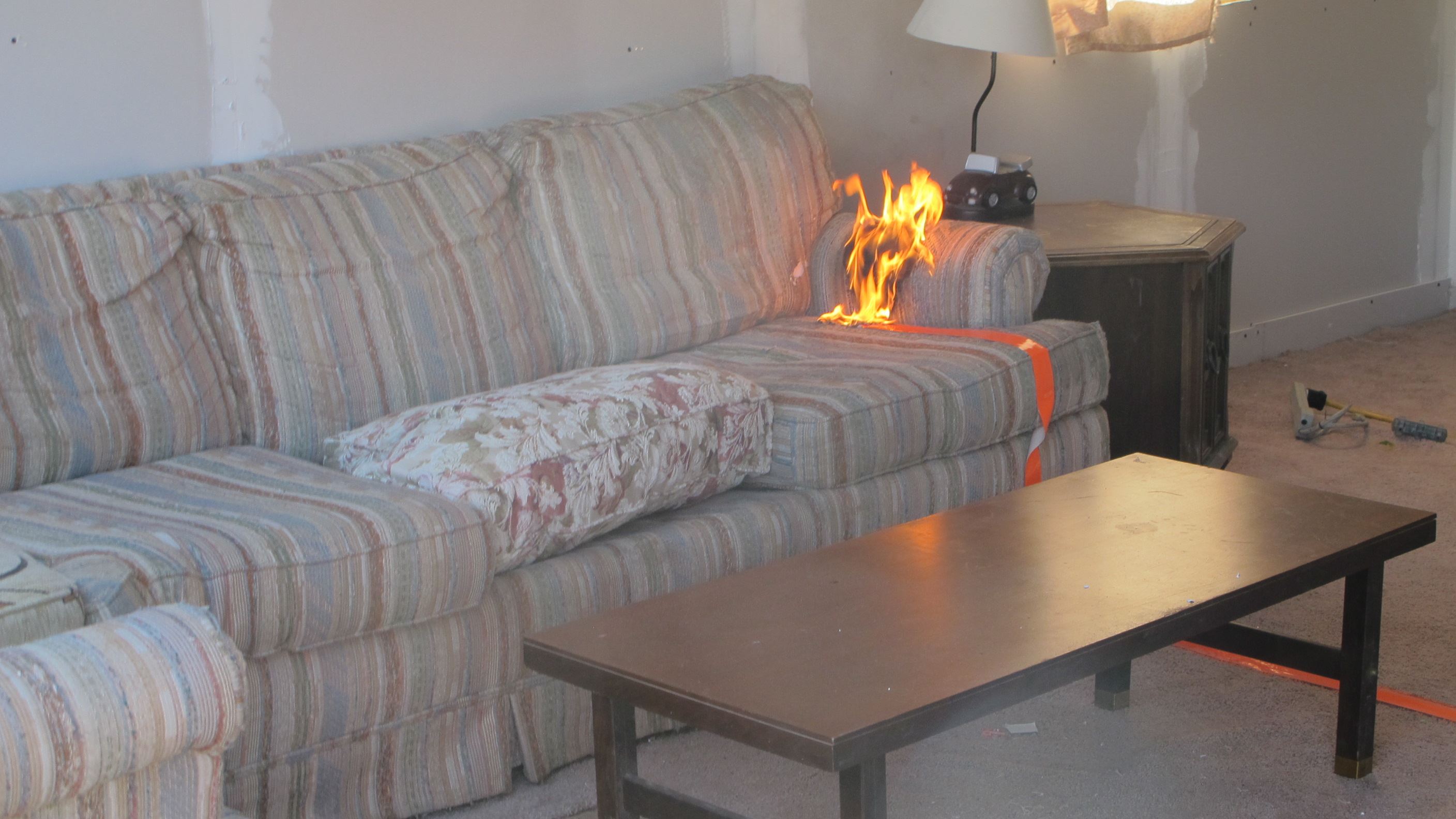
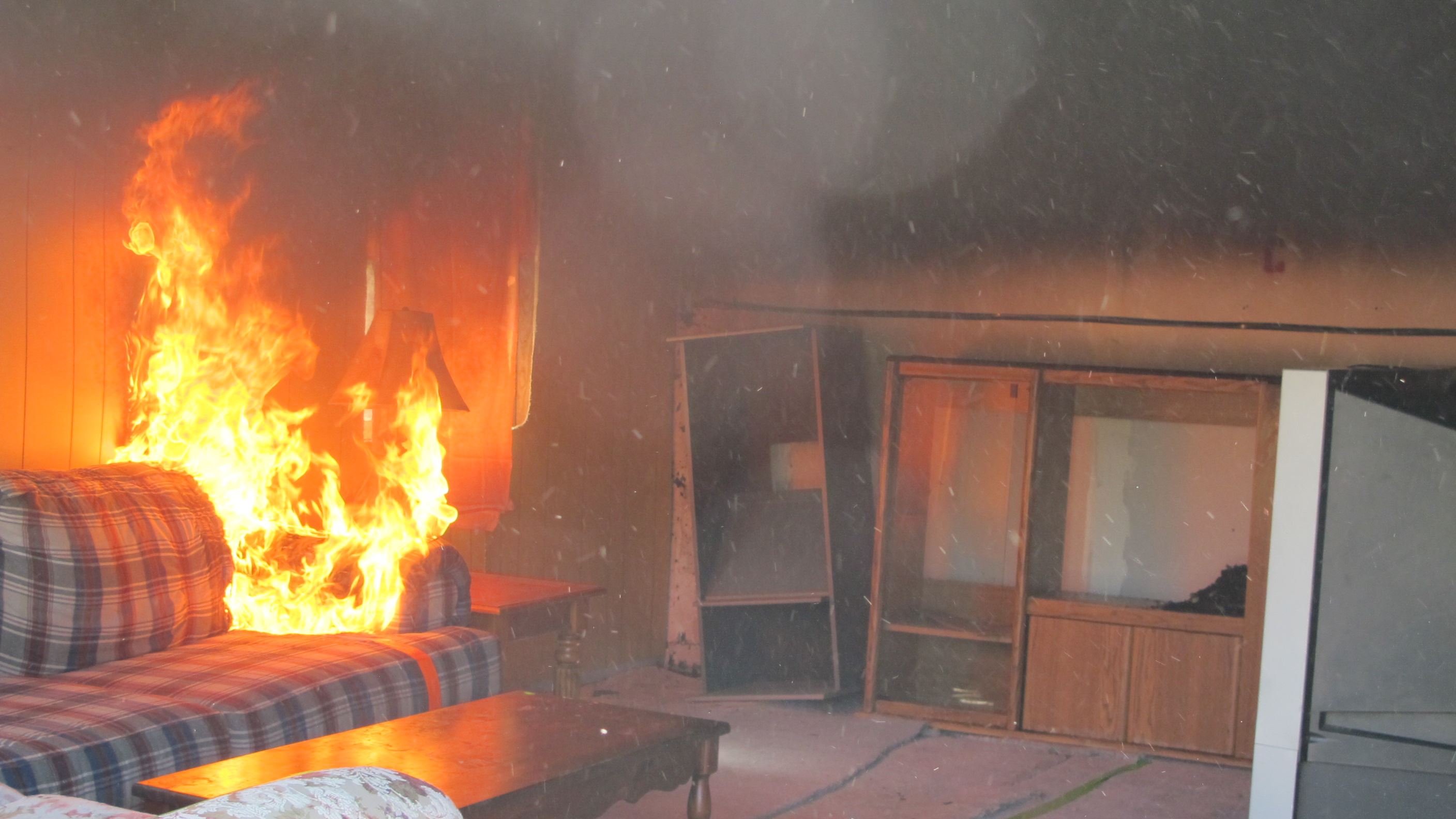
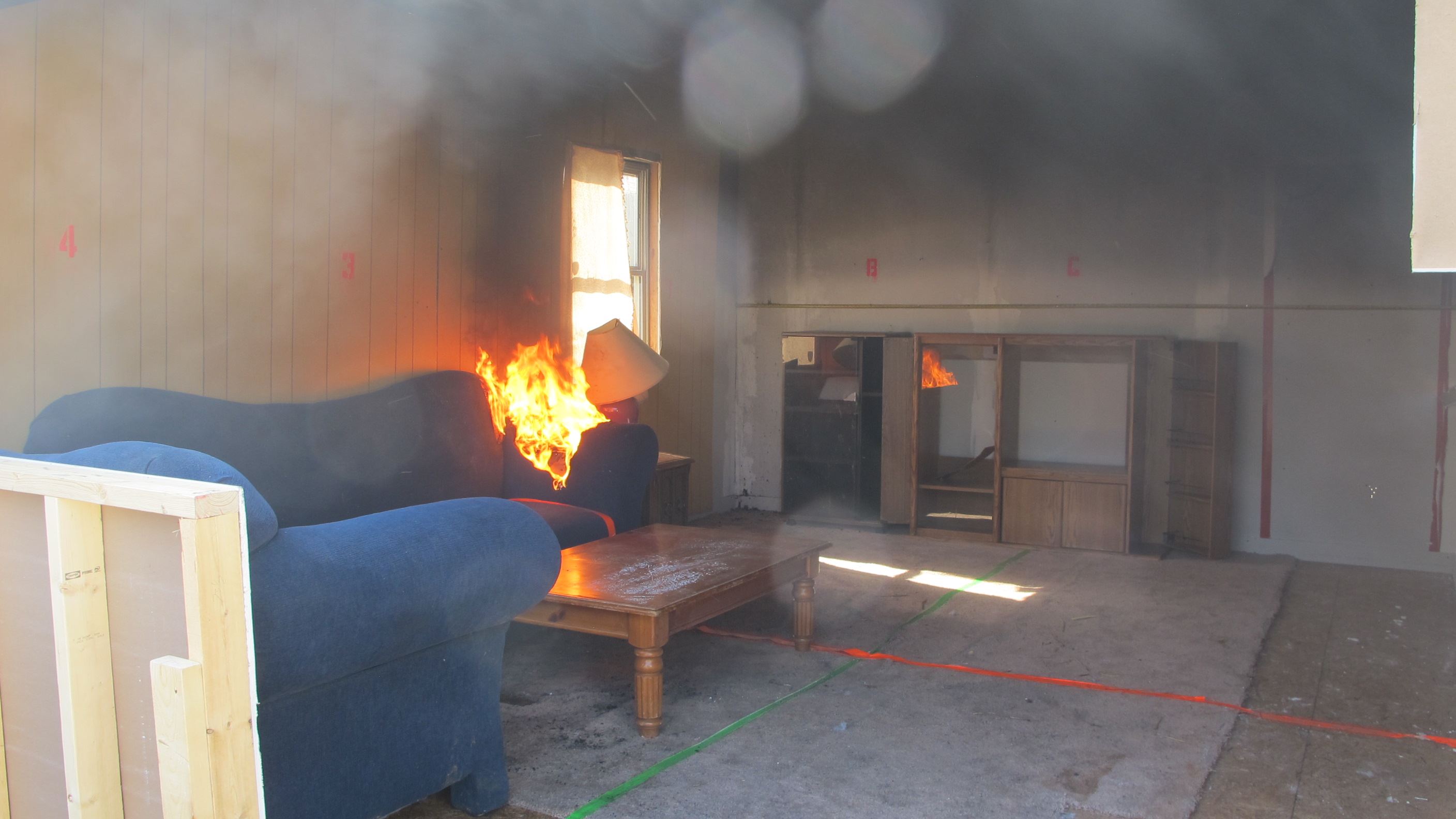
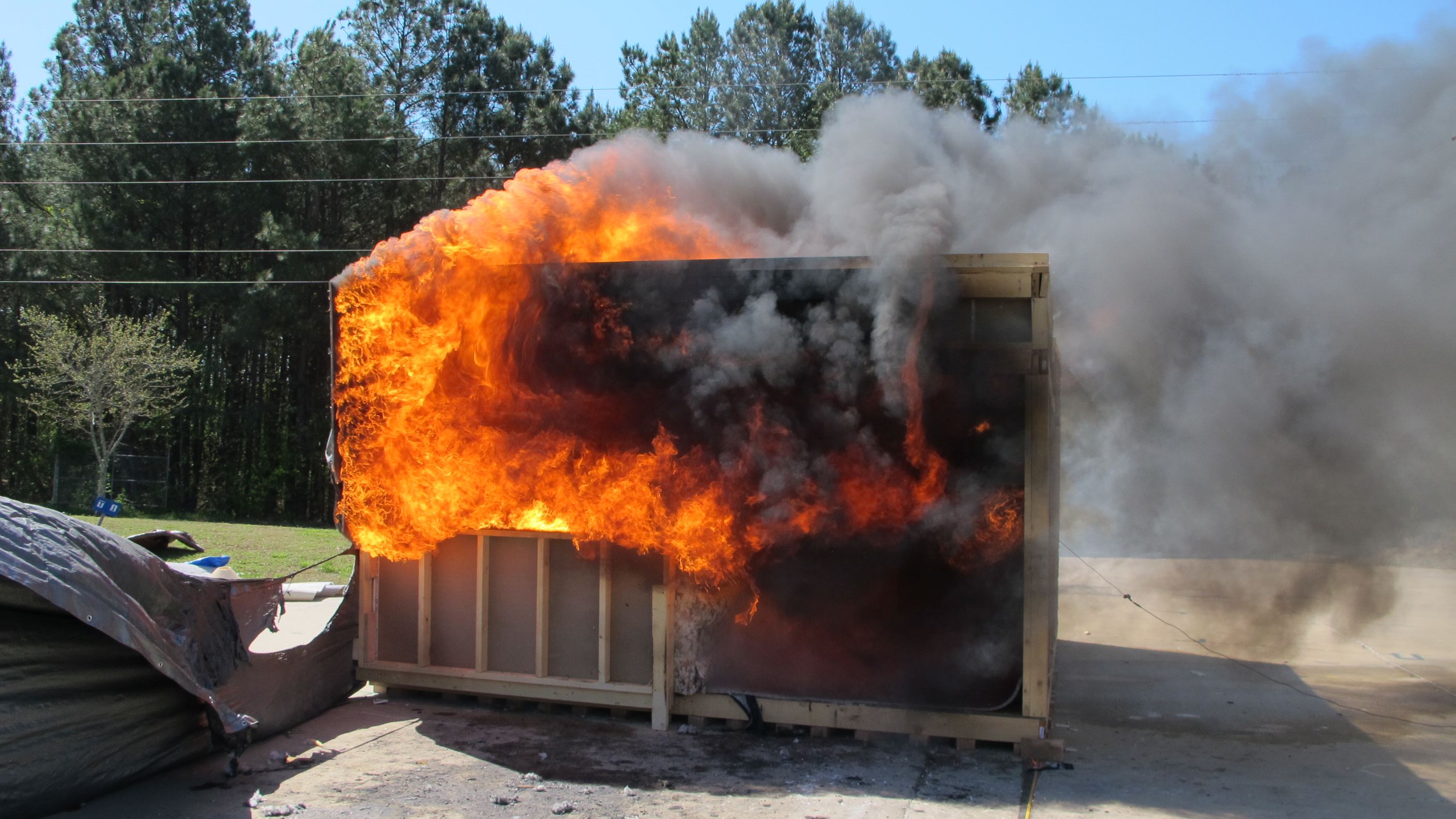
To best understand how a fire started or what caused an explosion, we know what it takes to acquire and present evidence to a judge or jury—even if it means we must recreate the entire situation. For example, when we obtained an identical trailer home to the one involved in a multiple-fatality fire, and then burned it to the ground—so the jury could see with their own eyes how the evidence supported our client’s position. By demonstrating how the fire propagated, we were able to establish that our theories about how the fire started were correct. Let us put our innovative ideas to work for you in your fire or explosion case.
Don't wait to get experienced representation behind your case. Contact Lyons & Simmons, LLP at (844) 297-8898. We have handled a countless number of personal injury cases.
Common Causes of Fires & Explosions
Fires and explosions can be caused by various factors, and understanding these common causes is crucial for prevention.
Here are some common reasons for fires and explosions:
- Electrical Issues: Faulty wiring, electrical appliances, or overloaded circuits can lead to electrical fires. Short circuits or damaged electrical components can cause sparks that ignite flammable substances.
- Cooking Accidents: Unattended stoves and ovens, grease fires, and overheating in the kitchen are common causes of residential fires. Defective appliances can contribute to accidents.
- Heating Equipment: Malfunctioning or poorly maintained heating systems, such as furnaces and space heaters, can lead to fires. Ignition of flammable materials near heating sources is also a risk.
- Smoking: Careless smoking, like discarding lit cigarettes improperly, especially indoors or near flammable materials, can result in fires.
- Flammable Liquids and Gases: Improper storage, handling, or use of flammable liquids and gases can lead to explosions. Leaks, spills, or ignition sources in areas with these substances pose a high risk.
- Combustible Dust: Certain industrial environments, like manufacturing or processing plants, can accumulate combustible dust. Ignition of this dust can result in explosions, particularly in confined spaces.
- Chemical Reactions: In industrial settings, incompatible chemicals or incorrect mixing can lead to explosions. Lack of proper storage and handling procedures increases the risk of chemical-related incidents.
- Equipment Failure: Mechanical failures or malfunctions in machinery, especially those involving friction or overheating, can cause fires. Regular maintenance and inspection are essential to prevent equipment-related incidents.
- Sparks and Open Flames: Sparks from welding, cutting, or grinding operations can ignite nearby flammable materials. Open flames in areas with flammable substances pose a significant fire hazard.
- Human Error: Accidental actions, negligence, or lack of awareness can contribute to fires and explosions. Training and adherence to safety protocols are essential to minimize human-related risks.
- Natural Disasters: Events such as lightning strikes, earthquakes, or wildfires can also lead to fires. Proper planning and mitigation strategies are crucial to address natural disaster-related fire risks.
Who is Liable for a Fire or Explosion?
Fire & Explosions FAQs
Answered by Michael Lyons
-
Natural gas and propane explosions can leave families with more questions than answers. Whether you've experienced a gas leak, explosion, fire, or simply have concerns about safety in your neighborhood, it's important to seek reliable information.
At Lyons & Simmons, we regularly work with engineers, utility experts, fire investigators, and safety professionals who specialize in natural gas systems and explosion investigations. We believe education and awareness are among the most effective tools for preventing future tragedies.
If you have questions about natural gas and propane safety, concerns about aging infrastructure, or need guidance following a gas-related incident, contact our team. Our goal is simple: help families understand their rights, find answers, and promote safer communities throughout Texas.
Because when it comes to natural gas safety, preventing the next tragedy is every bit as important as investigating the last one.
-
Michael Lyons: Focus first on your safety and your family's well-being. Once everyone is safe, document as much information as possible and avoid making assumptions about the cause of the incident.
If an explosion, fire, or significant gas leak has occurred, there may be multiple investigations underway — involving utility companies, fire departments, insurance carriers, and governmental agencies. Families often benefit from speaking with experienced professionals who understand the investigative process and can help ensure important evidence is preserved. The sooner critical evidence is identified and protected, the better.
-
Michael Lyons: Natural gas explosion cases are among the most technically challenging in the legal system. Evidence can be destroyed in an instant. Critical information may be spread across utility records, maintenance logs, inspection reports, leak surveys, pipeline maps, and emergency response files maintained by multiple entities.
That's why early investigation is critical. Over the years, we've built relationships with some of the nation's leading experts in:
- Natural gas distribution systems
- Pipeline engineering
- Utility operations and safety
- Fire origin and cause investigations
- Explosion reconstruction
- Pipe failure analysis
- Regulatory compliance and industry standards
- Human factors and emergency response
When an explosion occurs, our goal is to help preserve evidence, uncover the facts, and ensure that families receive honest answers about what happened and why.
-
Michael Lyons: Natural gas and propane explosions are among the most devastating cases we handle. These incidents leave families facing catastrophic injuries — severe burns, traumatic brain injuries, wrongful death — and the complete loss of their homes and belongings. Victims are often left searching for answers while investigators and utility companies work to determine what happened.
At Lyons & Simmons, we've spent decades investigating complex explosion and fire cases throughout Texas, representing individuals and families whose lives were forever changed by preventable utility failures.
Most recently, our firm obtained a $109.5 million jury verdict on behalf of a mother and son who suffered life-altering injuries in a residential natural gas explosion. The case exposed years of warnings, safety concerns, and infrastructure failures that led to a tragedy that should never have occurred.
Cases like these require far more than a basic understanding of personal injury law. They demand deep expertise in utility systems, pipeline operations, engineering principles, fire science, accident reconstruction, and the regulations governing natural gas and propane providers.
-
Michael Lyons: We need a broader conversation about natural gas safety in Texas — one that includes:
- Increased investment in aging infrastructure
- Accelerated replacement of older pipelines
- More proactive leak detection programs
- Greater public education about underground gas leaks
- Wider adoption of combustible gas detectors in homes and businesses
- Stronger regulatory oversight by the Texas Railroad Commission
Most importantly, we should stop treating major gas explosions as isolated incidents. Every explosion deserves a thorough investigation, but we should also be asking whether broader infrastructure challenges are contributing to these tragedies. The goal shouldn't simply be determining what happened after an explosion — it should be preventing the next one.
-
Michael Lyons: There are several practical steps every family can take.
1. Purchase a combustible gas detector.
Most homes today have smoke detectors and carbon monoxide detectors. Combustible gas detectors should be just as common. Modern gas detectors can alert occupants to the presence of methane and other combustible gases even when no odor is noticeable.2. Take gas odors seriously.
If you smell a rotten egg odor:- Leave the area immediately
- Do not operate light switches
- Do not start vehicles nearby
- Do not use open flames
- Call 911 and your utility provider from a safe location
3. Watch for outdoor warning signs.
Potential indicators of an underground gas leak include:- Dead or dying vegetation in isolated patches
- Bubbling water
- Hissing sounds near the ground
- Dirt or soil blowing up from the ground
- Repeated utility repair activity or marking in the area
4. Report concerns immediately.
You don't need to be certain there's a leak before making a call. If something doesn't seem right, report it. -
Michael Lyons: My biggest concern is that public awareness hasn't caught up with the risk. Many people still believe that if they don't smell gas, they're safe. Unfortunately, that's not always true.
I also worry that too much emphasis is placed on public reporting while not enough attention is focused on proactive detection and infrastructure replacement. Aging systems require aggressive monitoring, inspection, and modernization. When failures occur, the consequences can be catastrophic.
-
Michael Lyons: It's important advice, but it's not enough on its own. People absolutely should call their utility company immediately if they smell gas — but many dangerous leaks don't announce themselves that way.
Most people don't realize that natural gas is completely odorless. Utility companies add a chemical called mercaptan to create a "rotten egg" smell that helps people detect leaks. That system works reasonably well when gas is leaking directly into a home. But underground leaks behave differently.
As gas migrates through soil, the surrounding earth can reduce or filter the odorant before the gas reaches the surface. Residents may have a dangerous gas leak nearby without ever detecting a strong smell — which is why investigators sometimes encounter explosion sites where neighbors report never smelling gas beforehand.
-
Michael Lyons: Older neighborhoods often contain the oldest infrastructure. Many Texas neighborhoods built in the 1950s, 1960s, and 1970s still rely on utility systems installed during that era. Even when utility companies perform routine maintenance and replacement work, portions of those systems can remain in service for decades.
As systems age without proper maintenance and modernization, leak risks naturally increase. That's why proactive inspection, monitoring, and replacement programs are so critical. Waiting until a leak is discovered is waiting too long.
-
Michael Lyons: There isn't a single answer. Natural gas distribution systems are incredibly complex networks of underground pipelines, service lines, valves, regulators, and connections — any of which can fail.
One concern is the age of the system itself. Some pipeline materials installed decades ago simply weren't designed to last forever. Many of the leaks we see leading to explosions are caused by defectively installed polyethylene gas lines, or polyethylene that has degraded past its useful life. Other cases involve old galvanized steel lines with coupling systems that fail and leak.
Texas's environment compounds the problem. The state's expansive clay soils experience significant movement during cycles of drought and rainfall — dry periods cause soil to shrink, while heavy rains cause shifting and erosion. Over time, that movement places stress on underground infrastructure, causing gradual deterioration over years or decades until a leak develops.
Gas utility providers know this risk exists, and they know that many materials used 40 to 50 years ago are dangerously prone to failure. When those failures occur, leaks can travel undetected through soil and enter structures without warning.
-
Michael Lyons: It certainly appears that way. We're seeing a growing number of serious incidents involving natural gas leaks, fires, and explosions across Texas, and patterns are emerging that concern me greatly.
Many of the communities experiencing these incidents have aging utility infrastructure. Some natural gas distribution systems in Texas were installed many decades ago — in some neighborhoods, portions of the system are more than 50 years old. As infrastructure ages, the risk of leaks increases if maintenance, inspection, and replacement efforts don't keep pace.
-
Over the last several years, Texans have watched a troubling number of homes, businesses, and neighborhoods devastated by natural gas explosions — from Dallas-Fort Worth and San Antonio to Houston and smaller communities across the state. These incidents are occurring with increasing frequency, often leaving families searching for answers.
Trial lawyer Michael Lyons has spent decades investigating these incidents alongside cause and origin experts, engineers, utility experts, and safety professionals. Below, he addresses the questions he hears most often.







What We Stand For. What We Deliver.
-
Client-Focused Attention
Lyons & Simmons is a nationally recognized trial firm combining personalized, hands-on representation with the experience and resources to take on the nation’s largest corporations and insurers. Our battle-tested lawyers prepare every case to win, with more than $1 billion in verdicts and settlements secured for clients since 2023.
-
Aggressive Representation
Our highly skilled trial lawyers are fearless about going to battle for our clients. When the opposition pushes back, we push back harder. We are determined to end your case with the best possible result.
-
A National Reputation
Our firm has successfully tried life-altering wrongful death and personal injury cases throughout Texas and nationwide. We have earned a reputation for taking on—and winning—complex, high-exposure cases.
-
Customized Legal Strategies
No two cases are exactly alike. We provide each of our clients with customized legal strategies and litigation solutions tailored to their unique needs.